




 Sign in
 Create an Account

Should Olive Oil Be Refrigerated? A Guide to Storing Extra Virgin Olive Oil
Many people wonder whether olive oil should be refrigerated to keep it fresh. It’s a common question, especially for those investing in premium quality, Australian extra virgin olive oil.
The short answer is no, olive oil does not need to be stored in the fridge. In fact, refrigeration can sometimes create unnecessary complications. Understanding how to store olive oil properly will help preserve its flavour, freshness and nutritional benefits.
Why Olive Oil Doesn’t Need Refrigeration
Extra virgin olive oil is naturally shelf stable. Unlike many fresh foods, it contains very little water, which means bacteria and mould cannot easily grow. For this reason, olive oil has traditionally been stored in pantries and cupboards around the world.
The ideal storage temperature for olive oil is between 14–18°C, which is similar to the temperature inside most kitchen cupboards and when stored correctly, quality olive oil can stay fresh and flavourful for many months.
What Happens When Olive Oil Is Refrigerated?
When olive oil is placed in the fridge, the cold temperature causes the oil to solidify or become cloudy. This is completely natural and happens because some of the natural waxes and fatty acids begin to crystallise. The oil will return to its normal liquid state once it warms up to room temperature.
While refrigeration does not damage olive oil, it can be inconvenient because the oil becomes thick and hard to pour. Frequent temperature changes of moving the oil in and out of the fridge may also affect the oil’s texture over time.
The Three Enemies of Olive Oil
Rather than refrigeration, the most important factors affecting olive oil quality are:
Light: Exposure to light accelerates oxidation and can quickly degrade flavour.
Heat: High temperatures break down delicate flavour compounds and beneficial antioxidants.
Oxygen: Contact with air slowly oxidises the oil.
Protecting your olive oil from these three elements will help maintain its freshness.
The Best Way to Store Olive Oil at Home
To keep your olive oil in peak condition, follow these simple guidelines:
- Store olive oil in a cool, dark cupboard
- Keep the lid tightly sealed
- Avoid placing bottles next to the stove or oven
- Use dark glass or ceramic bottles to protect the oil from light, like our decorative or art series bottles. Click here to shop: https://www.greatsoutherngroves.com.au/shop/gift-pack/
Small bottles, used regularly are ideal because they minimise the amount of time the oil is exposed to oxygen.
Storing Your Bulk Olive Oil
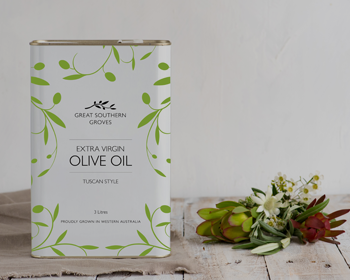
Many olive oil lovers choose to purchase oil in larger containers such as 3L tins or bag-in-box packaging, like our 15L box. These containers are excellent for preserving your oils quality. Only decanting what you need for the week and then protecting the rest of the oil from light and minimizing air exposure.
For the best flavour, we suggest consuming your olive oil within six months of opening a large container.
Our Bag-in-Box packaging is perfect for maintaining the oils freshness as the oil has no exposure to light or oxygen, even when decanting your oil. Shop a 15L box here > https://www.greatsoutherngroves.com.au/shop/olive-oil/15-litre-box/
Fresh Olive Oil is Best
Extra virgin olive oil is a fresh, natural product. While it can last for years if stored correctly, it is best enjoyed as close to the harvest date as possible.
Fresh olive oil delivers brighter flavours, more vibrant aromas and higher levels of beneficial antioxidants.
By storing your olive oil properly and protecting it from heat, light and oxygen, you can enjoy every bottle at its very best.
Category: Uncategorized
Date: March 9, 2026


Australian
Owned

Australian
Operated

Gorgeous
Packaging
Join Our GrowingCommunity
Simply subscribe below and we'll be in touch.
